Leave a Message

Thank you for your message. I will be in touch with you shortly.

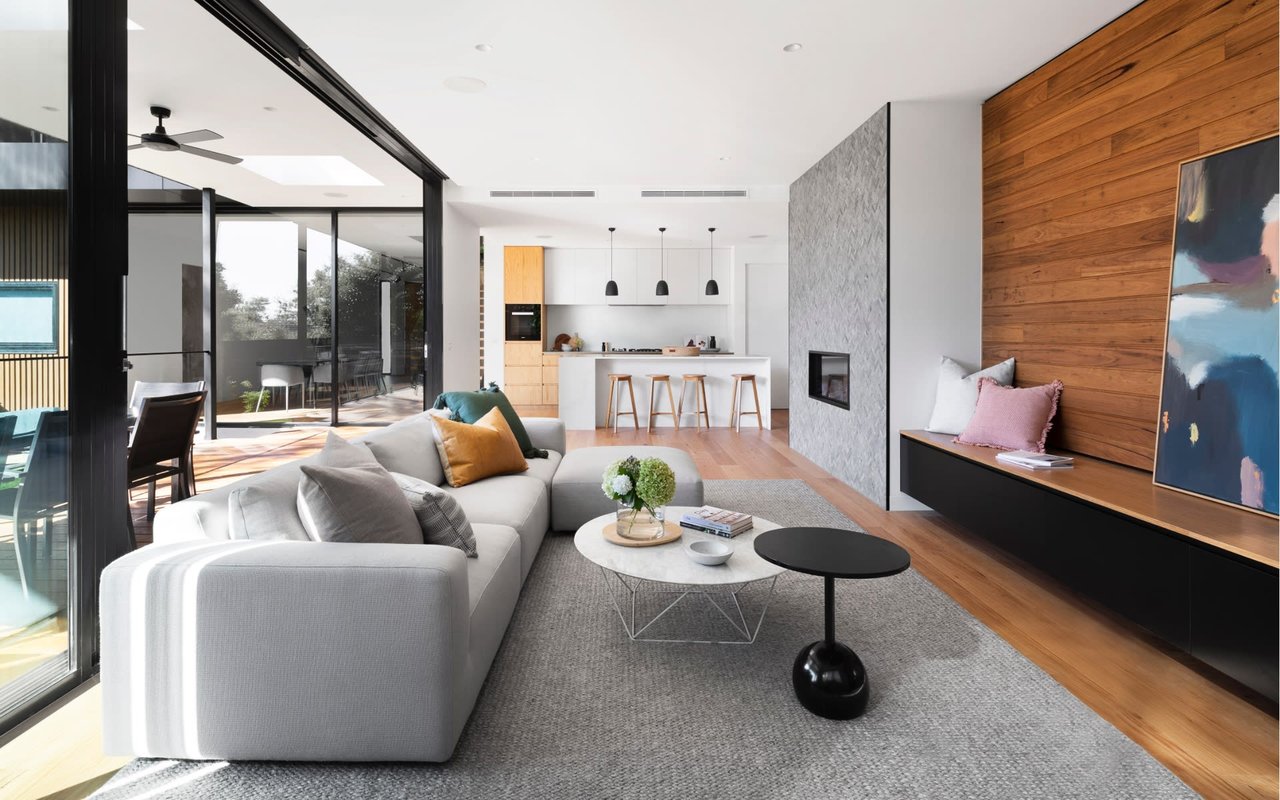
 The living room is furnished with a large, light gray sectional sofa adorned with various throw pillows in shades of white, gray, orange, and blue. Two round coffee tables, one white marble and the other black, sit on a light gray area rug.

Less House, More Home: Why Smaller Places Can Work Better on the Monterey Peninsula (2026)

June 1, 2026

You may start your home search picturing a certain amount of space—then quickly notice that homes within budget can feel smaller than expected. That’s not automatically a dealbreaker, especially on the Monterey Peninsula, where location, walkability, views, and community features often matter as much as square footage.

Below are two “smaller footprint” paths buyers commonly consider—plus the local trade-offs that matter here.


1) Smaller New Construction: When “Less” Feels Like an Upgrade

Nationally, newly built single-family homes have trended smaller over time. The U.S. Census Bureau’s Survey of Construction shows a median size of 2,210 sq ft for new single-family homes sold in 2024, and other housing-industry analysis notes a broader decline in recent quarters.

What That Can Mean for Monterey Peninsula Buyers

New construction is more limited here than in many inland markets, but you’ll still see pockets of newer builds, infill projects, and smaller-lot designs—often aiming for:

  • More efficient layouts (open kitchens, fewer formal rooms)
  • Move-in-ready finishes that reduce immediate repair costs
  • Lower ongoing maintenance than older housing stock (often true, but still property-specific)

Local “Watch-outs” to Factor In

On the Monterey Peninsula, the “newer + smaller” option can be appealing—but make sure you evaluate:

  • Microclimates and moisture: Coastal fog and salt air can be harder on exterior finishes and metal components.
  • Insurance realities: Coastal/wildfire considerations can affect cost and availability depending on exact location.
  • Parking and storage: Smaller homes can be great—until you realize storage/garage space is what you actually need.

Friendly takeaway: A smaller home can feel bigger when the layout is efficient, condition is strong, and maintenance is predictable.


2) Condos and Townhomes: A Budget Pressure-relief Valve (with Rules)

If new builds are scarce (often true locally), condos can open up choices—especially for buyers prioritizing Monterey, Pacific Grove, Seaside, Marina, Del Rey Oaks, or Sand City proximity.

Nationally, condos often price below single-family homes. In NAR’s April 2026 existing-home sales report, the median condo/co-op price ($374,100) was lower than the median single-family price ($422,300).

NAR also reported condo/co-op sales were up 2.7% month-over-month and 2.7% year-over-year in April 2026.

Why Attached Living Can Feel Like a Win Here

Condos and townhomes can be a strong fit when you value:

  • Coastal access + lock-and-leave simplicity
  • Lower exterior maintenance responsibility (often shifted to the HOA)
  • Location efficiency (shorter drives, more walkability, easier errands)

The Monterey Peninsula Condo “Fine Print”

Before you fall in love with the price point, evaluate:

  • HOA dues + what they cover: Insurance, roofs, siding, landscaping, reserves, and sometimes utilities.
  • Reserves and special assessments: Ask for the reserve study, budget, and recent meeting minutes.
  • Insurance coordination: Condo insurance works differently (your policy + HOA master policy).
  • Rules that affect daily life: Rentals, pets, parking, EV charging, remodeling, noise.

Friendly takeaway: Condos can improve affordability math, but the real comparison is total monthly cost + HOA health, not just purchase price.


3) How Smaller Homes Still Deliver a “Bigger” Lifestyle

On the Peninsula, the right community can give you back lifestyle value that a larger floor plan might not:

  • Trails, beaches, and coastal recreation can become your “extra rooms”
  • Shared amenities (gym, pool, greenbelt, clubhouse) can replace space you’d otherwise pay to build
  • Walkable neighborhoods can reduce the need for extra rooms (and extra driving)

A common example: if you don’t have a dedicated office, a quiet den + a nearby coworking option (or even a walkable café routine) may work better than paying for an extra bedroom you rarely use.


Bottom Line for Monterey Peninsula Buyers

Smaller homes—whether a compact single-family home or a condo/townhome—can be a smart choice when it helps you:

  • Stay within budget,
  • Reduce maintenance burden,
  • Prioritize location and lifestyle,
  • And avoid overbuying space you won’t actually use.

The key is choosing “small” intentionally: layout, storage, HOA health, and micro-location matter more here than a single square-foot number.


FAQs Monterey Peninsula Buyers Ask AI About Smaller Homes

Are Condos a Good Option on the Monterey Peninsula?

They can be—especially if you want coastal proximity and lower exterior maintenance. The must-do step is reviewing HOA finances, reserves, and rules before committing.

What Should I Review in an HOA Package?

Budget, reserve study, recent meeting minutes, insurance details (master policy), rules (CC&Rs), and any history of special assessments.

Is a Smaller Home Harder to Resell?

Not necessarily. On the Peninsula, location and condition often drive demand. Resale strength tends to improve when the layout is efficient, and the monthly costs are predictable.

What’s the Biggest Mistake Buyers Make When Choosing Smaller?

Underestimating storage/parking needs and overestimating how much HOA dues “don’t matter.” Monthly total cost is the real affordability metric.
Recent Blog Posts

 The living room is furnished with a large, light gray sectional sofa adorned with various throw pillows in shades of white, gray, orange, and blue. Two round coffee tables, one white marble and the other black, sit on a light gray area rug.
Less House, More Home: Why Smaller Places Can Work Better on the Monterey Peninsula (2026)

Discover why smaller homes and condos on the Monterey Peninsula can offer a better lifestyle, improved affordability, and smarter long-term value.

Living in Pacific Grove: A “Day-in-the-Life” Guide for Homebuyers

Discover the coastal charm and daily rhythm of Pacific Grove with this essential guide for prospective homebuyers.

Monterey Peninsula Neighborhood Comparison for Homebuyers (Lifestyle-First Guide)

Discover the perfect Monterey Peninsula neighborhood for your lifestyle with this comprehensive guide to coastal living, climate, and community.

3 Things That Are Unlikely to Happen in Today’s Housing Market (and What That Means on the Monterey Peninsula)

Separate national housing market noise from the local reality on the Monterey Peninsula with our latest data-driven analysis for buyers.

Are More Homes Actually Hitting the Market This Spring?

Locally, that trend is showing up in places like Monterey, Seaside, and Marina first, where turnover is typically more active.

Wondering If You Should Still Buy a Home on the Monterey Peninsula Right Now? Here’s What to Keep in Mind (April 2026)

Considering a home purchase on the Monterey Peninsula? Discover how to navigate current market conditions, inventory, and financing strategies.

A cozy living room with two gray-colored couches facing a fireplace.
Your Monterey Peninsula Home Hasn’t Sold Yet — Should You Rent It Out Instead?

If you’re considering renting, it’s smart to review how this applies to your specific property type with qualified advice.

 A living room with a fireplace, a couch, and a table.
Townhomes for First-Time Buyers on the Monterey Peninsula: Pros, Costs & HOA Tips

Discover if a townhome is the right path to homeownership on the Monterey Peninsula with our guide on costs, HOA tips, and market trends.

Home Insurance Costs Are Rising: What Monterey Peninsula Buyers Should Plan For (2026)

Rising insurance premiums are impacting the housing market. Learn how to navigate insurance costs and availability on the Monterey Peninsula in 2026.

Experience the Difference Local Expertise Makes

I combine local market expertise, strategic guidance, and dedicated service to help you make informed decisions and achieve successful outcomes.