Why People Buy a Second Home on the Monterey Peninsula
Educational September 13, 2026
Educational September 13, 2026
Quick answer: In 20 years of working with second-home buyers here, I've found almost none of them start cold. They come back for a specific golf tournament or motorsports weekend, they grew up visiting as kids and never stopped, they've rented the same house every summer for a decade, they're chasing a specific stretch of coastline for fishing or hiking, they're escaping triple-digit summers somewhere else, or it's simply the place that got under their skin on a single trip. Usually it's two or three of those at once. By the time they're ready to buy, most already know which city — and often which neighborhood — they want.
Most of the second-home content you'll find online assumes you're starting a search cold: pick a budget, pick a city, tour some houses. That's not how it actually works on the Monterey Peninsula, in my experience. The buyers I work with have almost always been here before — sometimes a handful of times, sometimes every year for two decades. By the time they call, they're not asking "where should I look?" They're asking "is now the right time to buy the kind of place I've already been staying in?"
That matters for how you should use this series. Before we go city by city — Pebble Beach, Carmel-by-the-Sea, Carmel, Carmel Valley, Pacific Grove, Monterey, and Marina, each with its own character, jurisdiction, and rental rules — it's worth naming the patterns that bring people back here in the first place. Recognizing which one (or two) describes you will do more to narrow your search than any list of amenities.
The Monterey Peninsula has a real, sourceable anchor event almost every month from February through November, and a meaningful share of the buyers I work with first started coming here for one specific event, then kept coming back:
February: The AT&T Pebble Beach Pro-Am, a PGA Tour event at Pebble Beach Golf Links and Spyglass Hill Golf Course, organized by the Monterey Peninsula Foundation.
April: Pebble Beach Food & Wine, hosted by the Pebble Beach Company Foundation on the grounds of Pebble Beach Resorts, and the Sea Otter Classic cycling festival at WeatherTech Raceway Laguna Seca.
May through July: A run of racing at Laguna Seca — the Monterey Sports Car Championship, the Ferrari Challenge, and MotoAmerica's Superbike Speedfest.
August: Monterey Car Week, anchored by the Pebble Beach Concours d'Elegance, plus the Rolex Monterey Motorsports Reunion at Laguna Seca.
September: The PURE Insurance Championship at Pebble Beach (a PGA Tour Champions event benefiting The First Tee) and the Monterey Jazz Festival at the Monterey County Fairgrounds, both within about a week of each other.
Fall: Big Sur Food & Wine and the Monterey Bay Half Marathon round out the calendar.
I've written in more depth about several of these — Monterey Car Week, the PURE Insurance Championship, the Monterey Jazz Festival, and the broader fall events calendar — if you want the full detail on any of them. For the event pilgrim, the second home isn't really about any single event. It's that the event gave them a reason to book the first trip, and somewhere along the way, "we come every year for the Pro-Am" turned into "we should just own something."
Some of the strongest attachments I see aren't tied to an event at all — they're tied to a childhood. A buyer who spent every summer of their childhood in a rented cottage near downtown Pacific Grove, or whose grandparents had a place in Carmel, often isn't shopping for a house so much as trying to recreate a specific feeling, sometimes explicitly so their own kids or grandkids get the same summers they did. This group tends to know the area at a level that surprises people who haven't worked with them — not just the city, but the exact walk to the beach they remember from being nine years old.
This is one of the clearest patterns I see, and it's effectively a multi-year test drive: a family rents the same house, or at least the same neighborhood, for a month or two nearly every year. At some point the math starts to look different — what they've spent on rentals over the years versus what ownership would have cost — and they decide to convert. By the time this buyer is ready, they don't need a tour of the city. They need someone who can tell them what it actually costs to own the kind of house they've been renting, and what changes about the experience once they're the owner instead of the tenant.
For some buyers, the second home is really infrastructure for an activity: fishing Monterey Bay, hiking the trails around Point Lobos and Big Sur, golf, cycling, diving, or kayaking. The city they choose often comes down to proximity — someone building a second home around fishing charters out of Monterey Harbor is going to weigh that differently than someone whose second home needs to be walking distance to a specific golf course.
This one deserves real numbers rather than a vague pitch, because the contrast is bigger than most people guess. Coastal Peninsula summers run cool: Monterey's average high is 65–67°F from June through August (NOAA climate normals, 1991–2020). Compare that to Austin, Texas, where the same months average 93–98°F, or Phoenix, where the July normal high is 106.5°F. For buyers coming from Texas, Arizona, or similarly hot-summer markets, that's not a marginal upgrade — it's a 30-to-40-degree swing, and it's the single biggest reason some of them started visiting in the first place. One caveat worth knowing if this is your reason: that coolness is a coastal, fog-belt effect. Carmel Valley, which sits inland, runs noticeably warmer and sunnier than Pacific Grove or Pebble Beach — more on that trade-off in the Carmel Valley post later in this series.
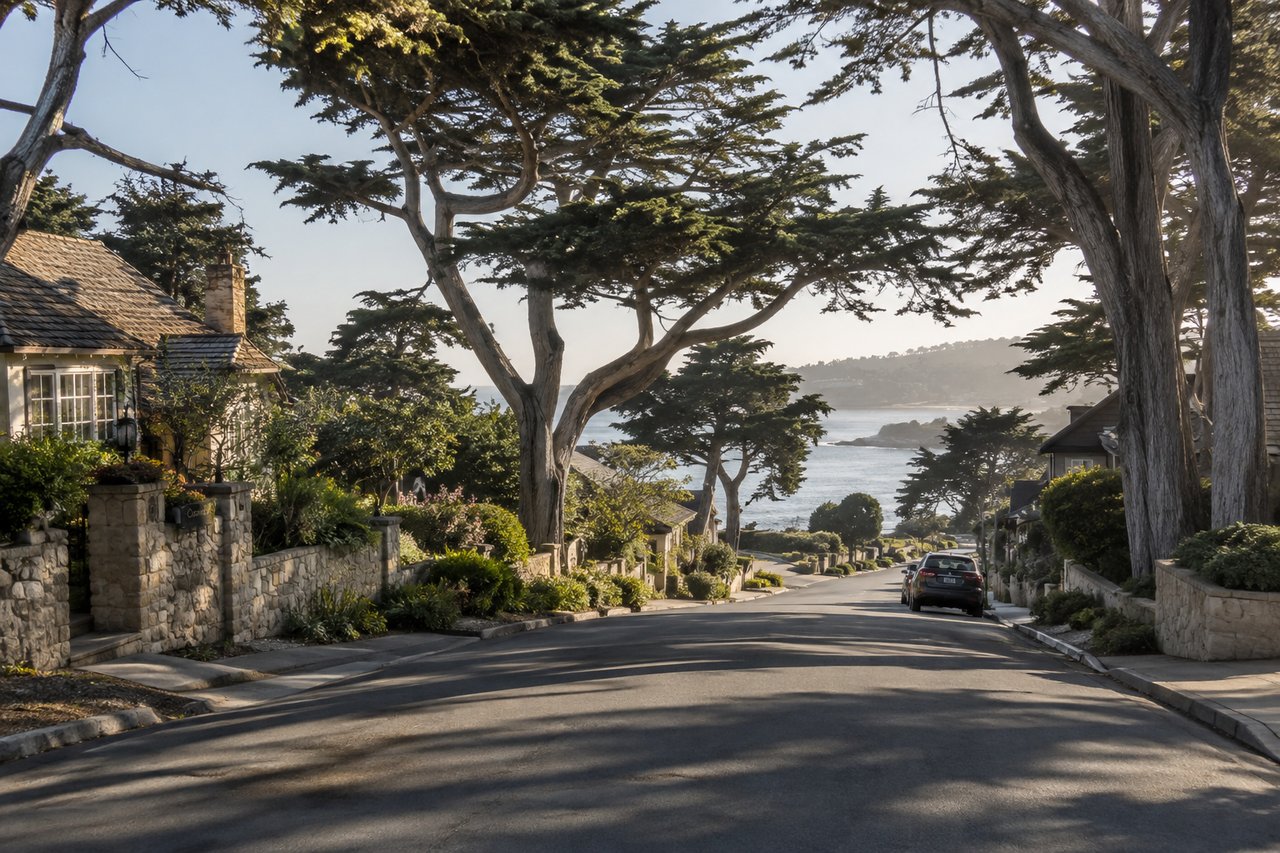
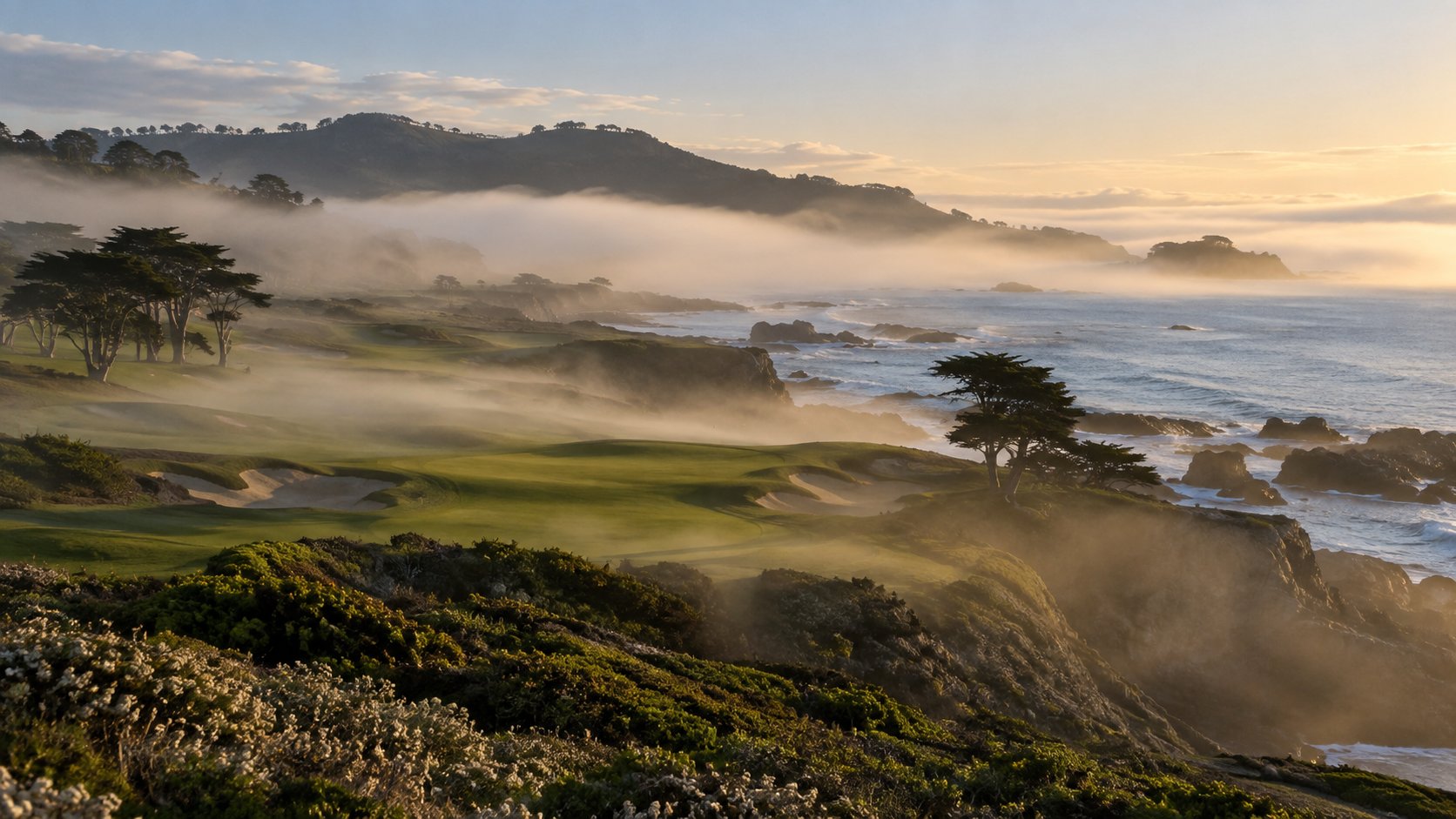
Not every buyer has a single anchor. Some just came once, saw the coastline, and knew. This group overlaps heavily with the others — the family-tradition buyer and the serial renter both usually have a version of this reaction somewhere in their story — but for a smaller number of buyers, the pull really is just the place itself: the cypress trees, the fog rolling over the golf courses in the morning, a slower pace than wherever they're coming from.
None of these six patterns tell you which of the Peninsula's cities to buy in — that's what the rest of this series is for. But they do explain something real: if you're the event pilgrim who's been coming for Car Week for a decade, you already have opinions about Carmel versus Pebble Beach that a first-time visitor wouldn't have. If you're the climate escapee, the coastal-versus-inland trade-off between, say, Pacific Grove and Carmel Valley matters more to you than it would to someone chasing a specific golf course. Knowing your own pattern is the fastest way to skip past the generic advice and get to the question that actually matters for you: given why you're drawn here, which city fits?
That's the question the next post in this series takes on directly — the practical, peninsula-wide groundwork (property tax reassessment, insurance, HOA considerations, and how short-term rental rules vary sharply by city) before we go through Pebble Beach, Carmel-by-the-Sea, Carmel, Carmel Valley, Pacific Grove, Monterey, and Marina one at a time.
Do most second-home buyers on the Monterey Peninsula rent here before they buy? In my experience, yes — a large share of the buyers I work with have rented in the area, often the same house or neighborhood, multiple times before deciding to purchase. This isn't a universal rule, just the most common pattern I see.
Is the Monterey Peninsula's summer weather really that different from Texas or Arizona? Yes, and the gap is larger than most people assume. Monterey's coastal average high runs 65–67°F in June, July, and August (NOAA climate normals, 1991–2020), compared to 93–98°F in Austin, Texas, over the same months and a July normal high of 106.5°F in Phoenix, Arizona.
Do I need to have visited the Monterey Peninsula multiple times before buying a second home here? No — some buyers do decide after a single visit. But most of the repeat second-home buyers I've worked with had visited several times, often tied to a specific annual event or a long-running family tradition, before they were ready to buy.
What's the biggest annual event that draws people back to the Monterey Peninsula? There isn't one single biggest event — the Peninsula has a recurring anchor event nearly every month from February (the AT&T Pebble Beach Pro-Am) through November (Big Sur Food & Wine), including Monterey Car Week in August and the Monterey Jazz Festival and PURE Insurance Championship in September. Which one matters most tends to depend on the buyer's own interests.
Is Carmel Valley's weather the same as the rest of the Peninsula? No. Carmel Valley sits inland, outside the coastal fog belt, and runs measurably warmer and sunnier than Pacific Grove, Pebble Beach, or Carmel-by-the-Sea. That trade-off is covered in more depth in this series' Carmel Valley post.
This post reflects my own professional observations from 20 years as a REALTOR on the Monterey Peninsula (since 2006), combined with sourced facts about local events and climate current as of publication (September 13, 2026). Event schedules shift year to year — confirm current dates directly with each event's official site before making travel plans around them. If you're thinking about a second home here and want to talk through which of these patterns sounds like you, I'm easy to reach at [email protected] or 831-601-1370.
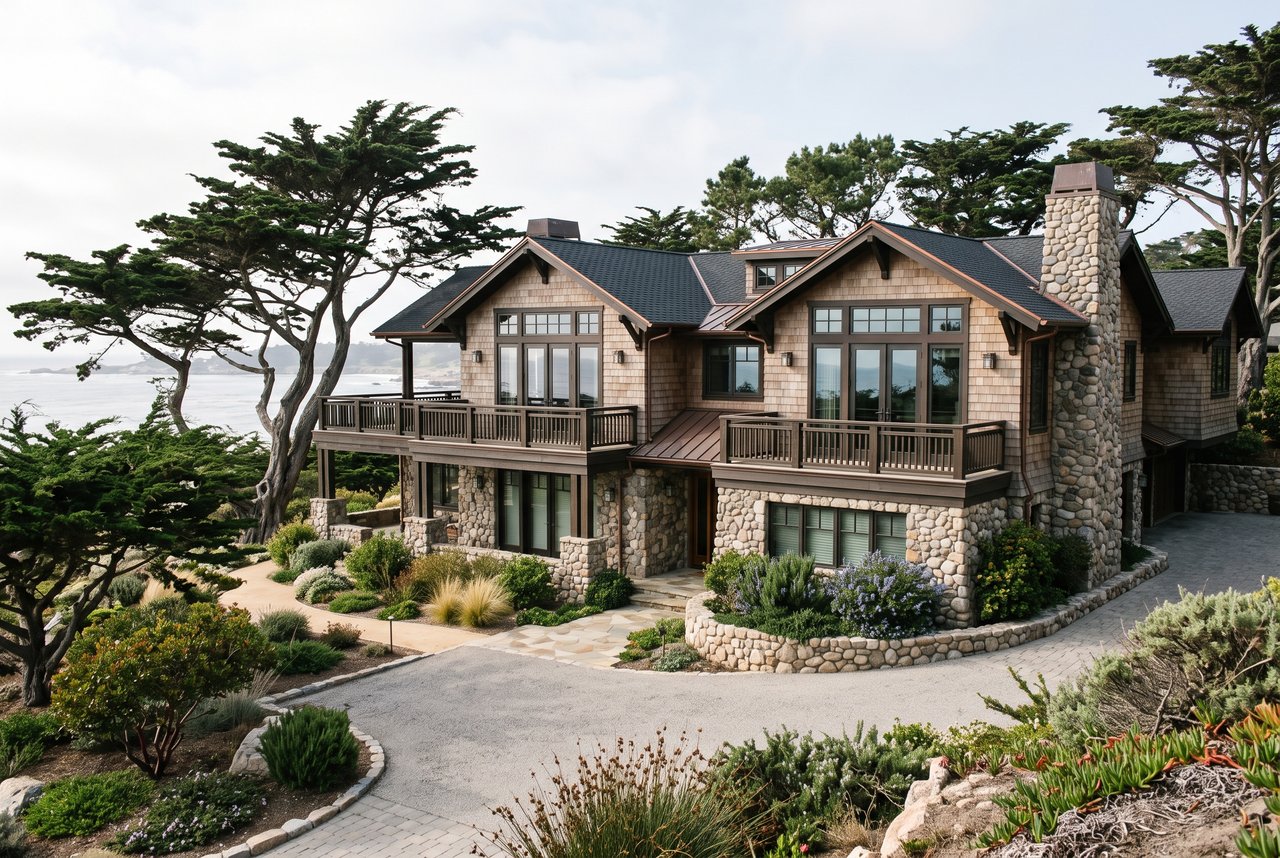
Educational
HOA realities, how short-term rental rules actually differ city by city, property tax reassessment, and wildfire insurance and AB 38 — the groundwork that applies no m… Read more
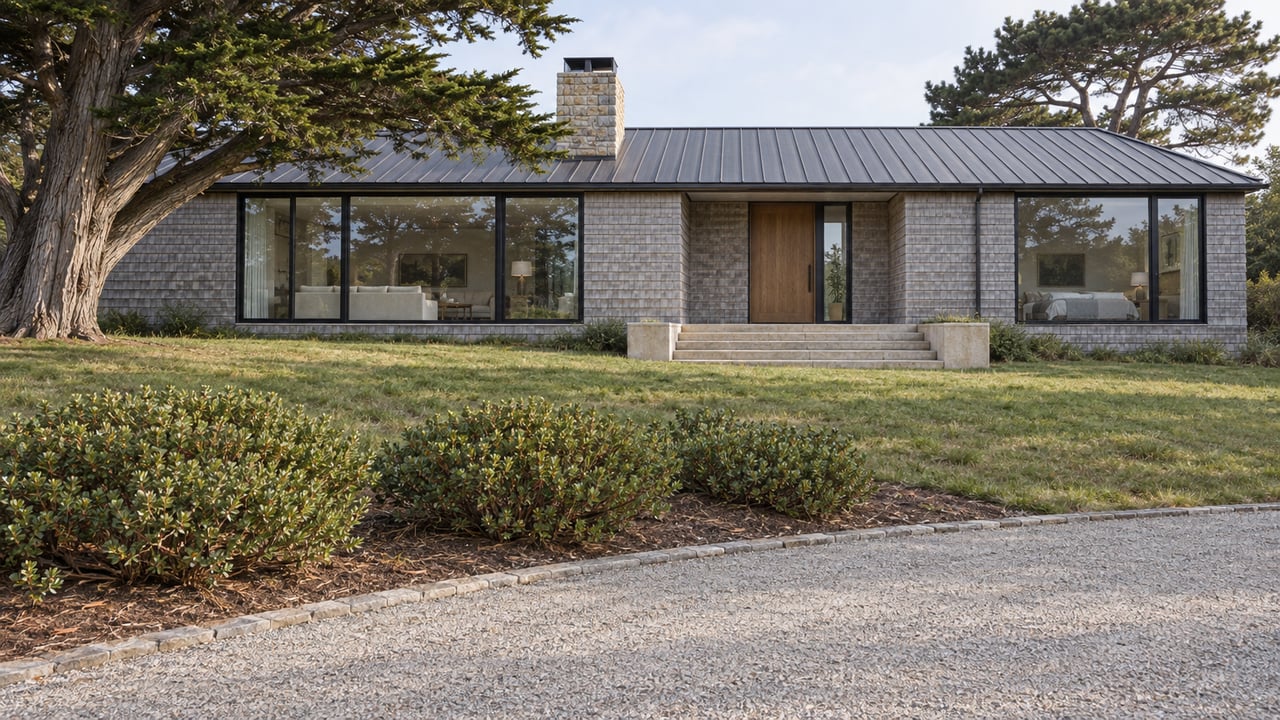
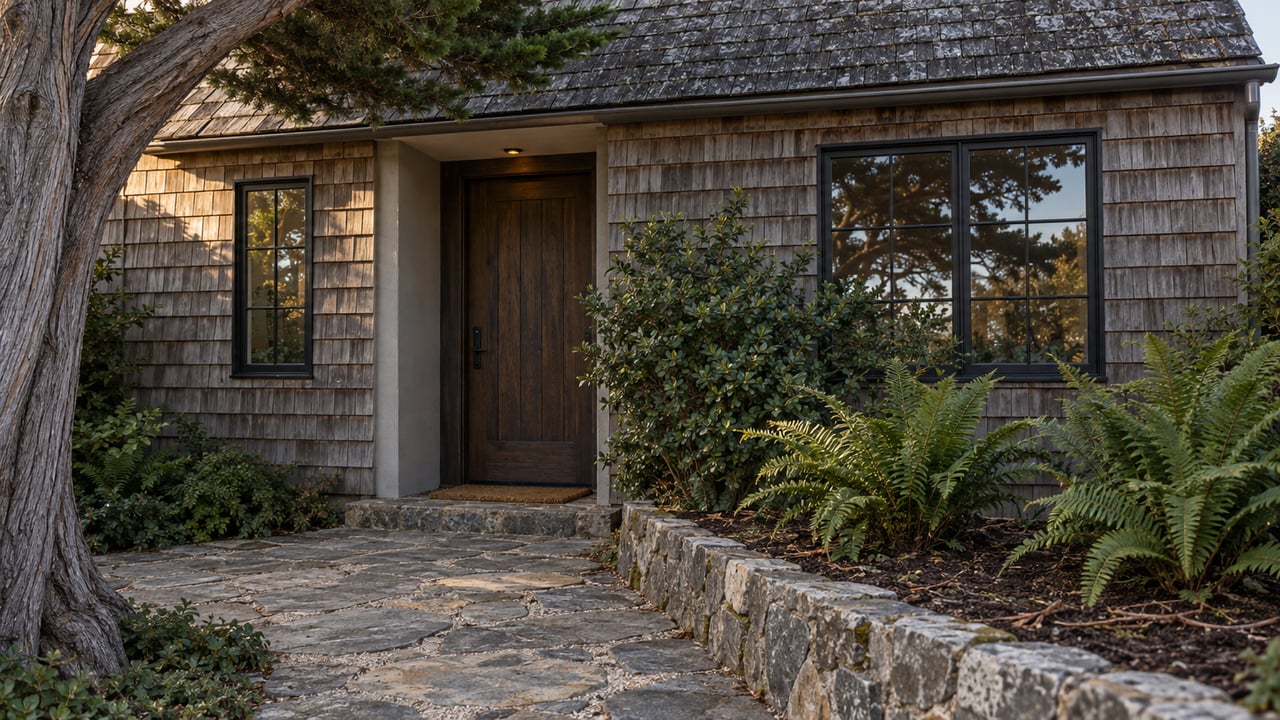
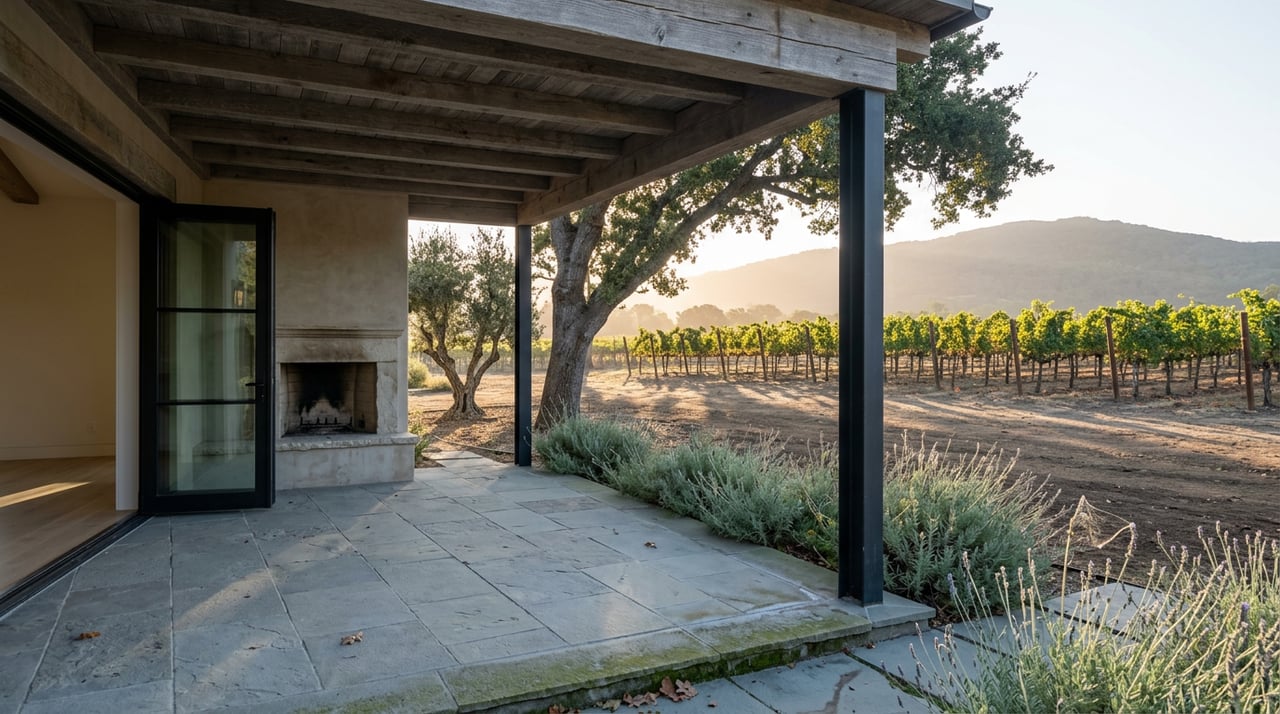
Educational
Twenty years of working with these buyers points to six recurring patterns — and by the time most of them call an agent, they already know which city, and sometimes wh… Read more

I combine local market expertise, strategic guidance, and dedicated service to help you make informed decisions and achieve successful outcomes.
BAY HOMES & ESTATES
719 LIGHTHOUSE AVE PACIFIC GROVE, CA 93950 Ottmar, Benjamin David | CA DRE# 01503930 Frangella, James Michael | CA DRE# 01062212