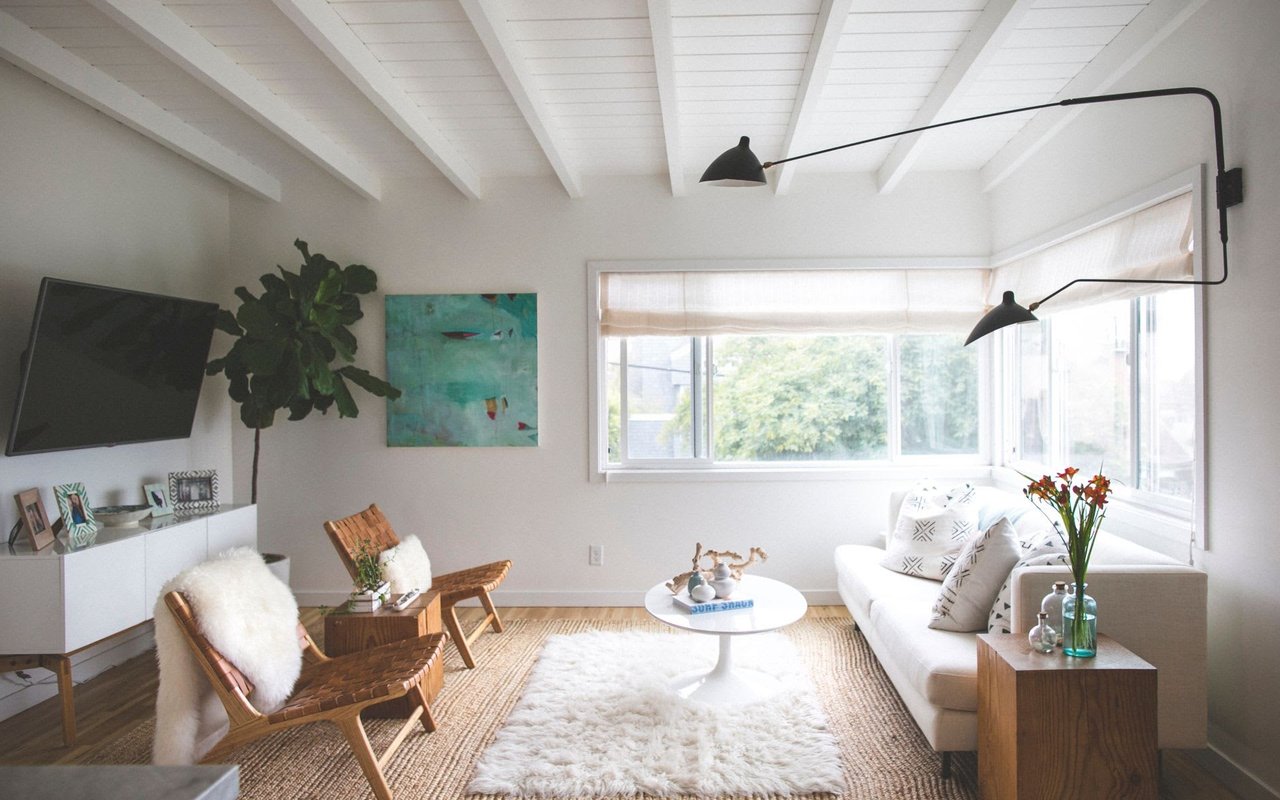
Why So Many Monterey Peninsula Homeowners Are Downsizing in 2026
January 29, 2026
January 29, 2026
Retirement isn’t a far-off milestone for many homeowners anymore—it’s happening now. Nationally, the “65-and-older” wave is accelerating: Realtor.com (citing U.S. Census data) notes that close to 12,000 people per day will turn 65 for the next two years.
At the same time, more people are actively setting retirement timelines. A ResumeBuilder.com survey (released December 19, 2025) reported that 15% of surveyed seniors expected to retire in 2026 and 23% in 2027.
For many Monterey Peninsula homeowners, that combination leads to one big question:
Is this home still the right fit for the next chapter?
On the Monterey Peninsula, downsizing often isn’t about chasing the smallest home possible. It’s usually about:
In other words: rightsizing—choosing a home that fits how you want to live now.
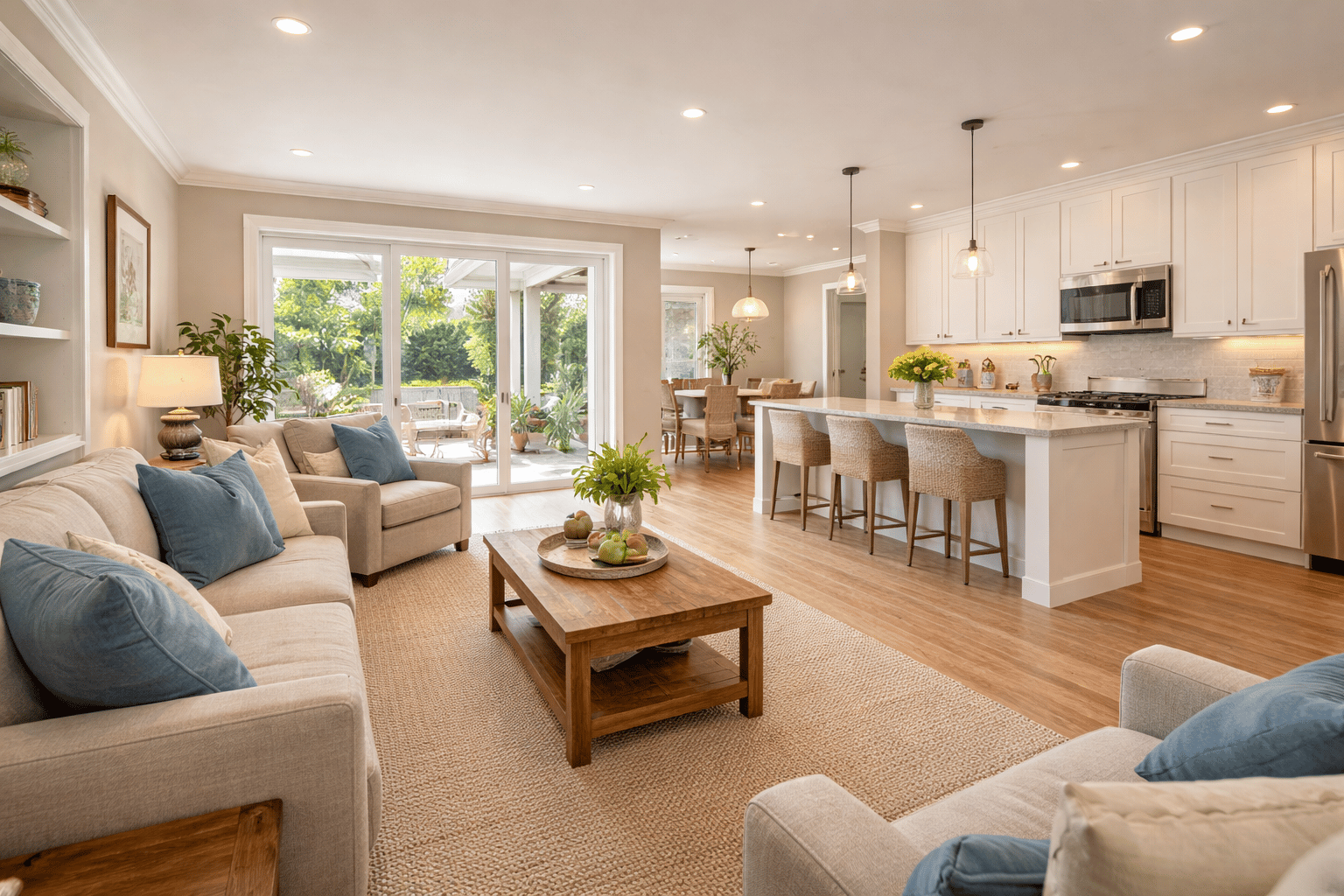
National research shows older movers are often motivated by lifestyle factors—especially being closer to friends/family, retirement, and wanting a smaller home.
On the Monterey Peninsula, those motivations often show up as moves such as:
For many long-time owners, the decision becomes more feasible because of built-up equity.
Cotality’s Homeowner Equity Report for Q3 2025 noted the average borrower had about $299,000 in accumulated home equity (even after a year-over-year dip).
Equity tends to grow over time because:
That combination can expand your options—whether that means purchasing a replacement home, reducing debt, increasing liquidity, or lowering monthly obligations.
In California, Proposition 19 may allow eligible homeowners who are 55+ (or severely disabled, or certain disaster victims) to transfer their existing property tax base to a replacement primary residence up to three times anywhere in the state, if requirements are met.
Because property taxes can be a significant ongoing cost—especially for long-time owners with lower assessed values—Prop 19 can materially change the math for rightsizing. (This is a tax-rule topic, so it’s smart to confirm eligibility and timing with official guidance and your tax professional.)
Examples:
A clear estimate includes: mortgage payoff, typical closing costs, and any known prep work.
Compare:
Many downsizers benefit from planning options early:
On the Monterey Peninsula, buyers often scrutinize condition and long-term upkeep. A pre-list strategy typically focuses on clarity and confidence: deferred maintenance, clean inspection paths, and straightforward disclosures.
Not always. Some smaller homes (especially in premium coastal locations) can cost as much—or more—than a larger home elsewhere. Downsizing is often about maintenance and lifestyle, not just purchase price.
Downsizing is usually “smaller.” Rightsizing is “better fit”—which might mean smaller, but could also mean more functional layout, better location, or lower upkeep.
In general, Prop 19 portability applies to eligible homeowners (including many 55+) and has specific timing and primary-residence requirements. Check official California BOE guidance and the Monterey County Assessor for details.
Single-level living, minimal exterior maintenance, good natural light, manageable parking, and proximity to daily needs (groceries, healthcare, community amenities).
Only if it’s strategic. Many downsizers get better results from fixing what’s clearly broken, improving presentation, and removing “unknowns” for buyers rather than doing major remodels.
You can still plan. Many homeowners start with a “future fit” checklist: accessibility needs, long-term maintenance plan, and a property-tax scenario review.
Downsizing in 2026 is rarely about “giving up.” It’s about designing a home life that’s easier to maintain and easier to enjoy—especially as more homeowners enter retirement years.
And with meaningful equity levels still common nationally and California’s Prop 19 portability rules in play, many Monterey Peninsula homeowners have more options than they expect.
If retirement is on the horizon and you’ve started wondering what your current house (and your equity) could make possible, the first step isn’t selling—it’s understanding your options.
Educational
HOA realities, how short-term rental rules actually differ city by city, property tax reassessment, and wildfire insurance and AB 38 — the groundwork that applies no m… Read more


Educational
Twenty years of working with these buyers points to six recurring patterns — and by the time most of them call an agent, they already know which city, and sometimes wh… Read more


I combine local market expertise, strategic guidance, and dedicated service to help you make informed decisions and achieve successful outcomes.

BAY HOMES & ESTATES
719 LIGHTHOUSE AVE PACIFIC GROVE, CA 93950 Ottmar, Benjamin David | CA DRE# 01503930 Frangella, James Michael | CA DRE# 01062212